
US Job Resume Format: The Complete Guide to the American Resume Format
Master the US job resume format with this comprehensive guide. Learn key tips to create an ATS-friendly, result-driven American resume that stands out.
US Job Resume Format: The Complete Guide to the American Resume Format
Estimated reading time: 15 minutes
Key Takeaways
- Mastering the American resume format is crucial for success in the US job market.
- The US job resume format prioritizes brevity, relevance, and quantified accomplishments, avoiding personal data and overly complex designs.
- Customize your resume for each job using targeted keywords and clear, action-driven bullet points to optimize for Applicant Tracking Systems (ATS).
- Include clear sections: Header, Summary/Objective, Skills, Work Experience, and Education. Optional sections add value when relevant.
- Maintain a clean, ATS-friendly layout with standard fonts and formats for best recruiter compatibility.
Table of Contents
Introduction: Why US Job Resume Format Matters in the American Resume Format
The US job resume format is the standardized structure and style used by job seekers in the United States to present qualifications to employers. Mastering this American resume format is essential because a crisp, well-structured, and ATS-friendly resume greatly increases your chances of being shortlisted for interviews.
Unlike resumes from many other countries, the American resume format emphasizes brevity, relevance, and impact, focusing on recent accomplishments that directly match the job description. Using the correct format aligns with recruiter and Applicant Tracking System expectations, helping you stand out in a competitive market.
What Is a US Job Resume Format? Definition and Core Sections
The US job resume format is essentially a marketing tool. Its purpose is to position you as the ideal solution to an employer’s needs by showcasing your most relevant skills, achievements, and experience. It is concise, targeted, and designed to secure interviews—not simply a biography.
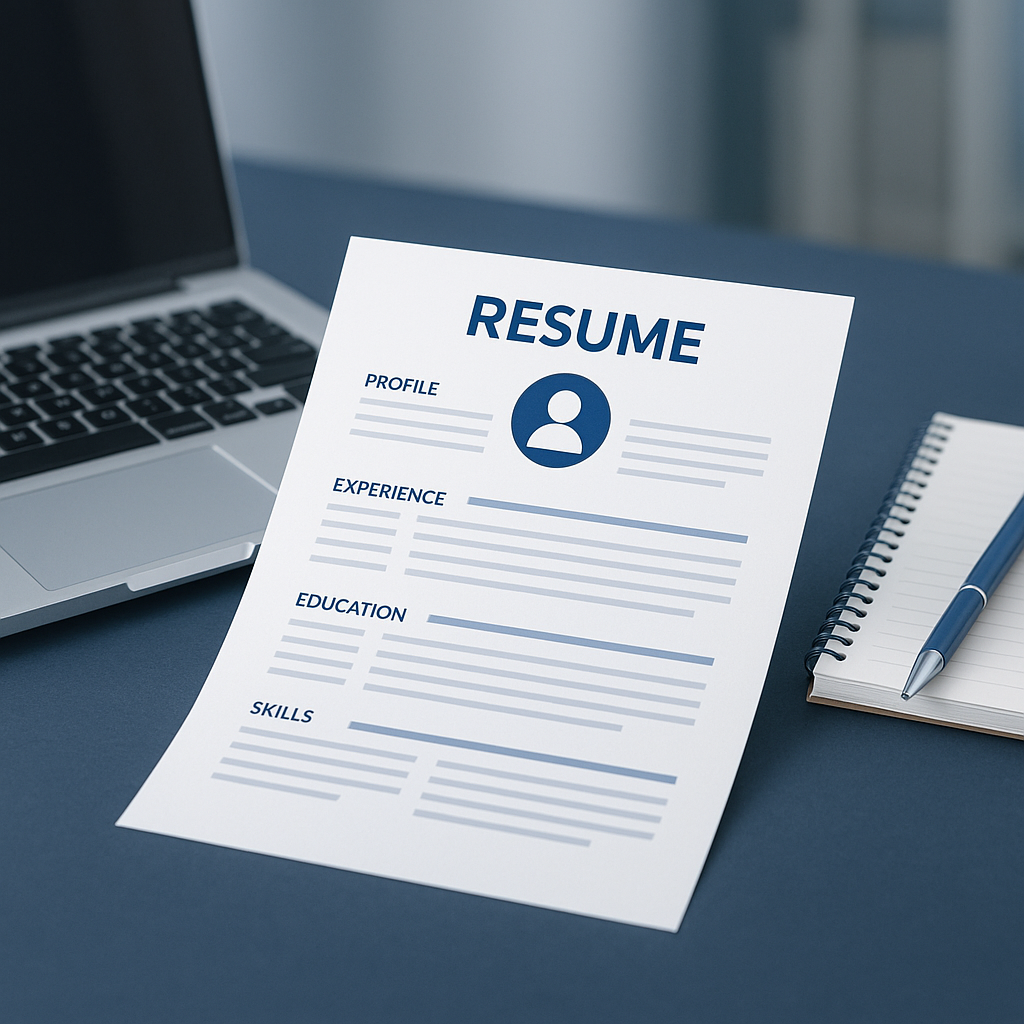
Key sections include:
- Header: Full name, phone number, professional email, city and state (or “Open to relocation/Remote”), and links to professional profiles like LinkedIn or GitHub.
- Summary or Objective Statement: Brief, specific overview of your value proposition tailored for USA employers.
- Skills Section: Focused list of relevant technical and interpersonal skills aligned with the job.
- Work Experience: Reverse chronological order showing roles with bullets emphasizing quantifiable results.
- Education: Degrees, institutions, graduation dates, and honors kept concise and relevant.
Optional sections may include certifications, projects, awards, volunteer work, or professional affiliations when strategically relevant.
Key Elements of an American Resume Format
Header in the US Job Resume Format
The header sets the tone. It must be professional, clear, and concise.
What to include:
- Full Name prominently displayed.
- Phone number in US-friendly format (e.g., 555-123-4567).
- Professional email (e.g., [email protected]).
- City and state (e.g., Austin, TX). Optionally, add “Open to relocation” or “Remote”.
- Professional profiles such as LinkedIn, portfolio, or GitHub links.
- Optional: Your target job title under your name.
What to exclude: Full street address, photos, date of birth, marital status, nationality, multiple phone numbers/emails, or unprofessional social handles.
Objective or Summary Statement for USA Employers
This section directs recruiters’ attention in seconds. Choose either a professional summary for experienced candidates or career objective for new grads or changers.
- Professional Summary: 2–4 lines emphasizing title, achievements, scope, and industry focus with measurable outcomes.
- Career Objective: 1–3 lines stating your career goal and transferable skills aligned to the role.
Example Professional Summary: Data Analyst with 5+ years in SaaS, expert in SQL, Python, and Tableau. Delivered 22% churn reduction through predictive models and automated reporting pipelines.
Example Career Objective: Business graduate transitioning into digital marketing, leveraging Google Ads certification and analytics coursework to drive SEO growth.
Skills Section
Skills should align with the job description and be ATS-friendly.
- Group by category: Technical vs. Soft skills.
- Limit to 10–16 relevant skills prioritized by importance.
- Use industry-standard terms (e.g., AWS, Salesforce).
Examples: Python, SQL, Tableau, Agile, Scrum, Leadership, Negotiation.
Work Experience (Reverse Chronological)
This is the resume’s core. List roles from newest to oldest, highlighting quantified accomplishments.
- Format: Job Title | Company | City, State | Dates
- Use 3–6 bullets per role — focus on action + context + metrics.
- Begin bullets with strong action verbs: Led, Built, Negotiated, Optimized.
- Keep bullet points concise and impactful.
Sample bullet: Increased qualified leads by 34% using an ABM strategy with HubSpot workflows.
Education
Education supports your candidacy but should not dominate. Include degree, institution, city/state, and graduation date.
For more advanced candidates, place education below experience. For students/new grads, place above experience.
Certifications and licenses can be listed in separate sections if relevant.
Common Mistakes to Avoid in US Resumes (US Job Resume Format Errors)
Even strong candidates lose opportunities due to common pitfalls. Avoid these:
- Content mistakes: spelling errors, irrelevant information, duties-only bullets, including prohibited personal information or salary expectations.
- Formatting mistakes: Overly designed templates, use of tables, graphics, unreadable file types, inconsistent date formats.
- Length and focus mistakes: Too long (exceeds two pages) or too short, generic summaries without proof, ignoring measurable impact.
- Credibility mistakes: Inflated titles or unverifiable metrics, inconsistent job titles, omitting context for lesser known employers.
Difference Between US Job Resume Format and Other Formats
The US job resume format contrasts with international CVs or academic CVs in approach:
- US resume: concise (1-2 pages), achievement-focused, no personal info, reverse chronological.
- EU/UK CV: often longer with photos/personal details, more detailed work history.
- Academic CV: extensive details about publications, teaching, and research, often many pages.
- Other regional resumes: may include personal/family info, photos, longer responsibilities; avoid this for US jobs.
Tips for Tailoring Your Resume for Specific Jobs (ATS Resume Tips for USA Jobs)
Customization is critical. Follow these steps:
- Analyze the job description: Identify must-have skills, keywords, and seniority signals.
- Map your experience: Align your bullets and skills with job requirements.
- Mirror the language: Use exact job terms and acronyms when relevant.
- Reorder for impact: Place most relevant achievements first.
- Quantify and specify: Use numbers and metrics wherever possible.
- Maintain ATS readability: Use standard sections and formats, save as PDF or DOCX with professional naming.
See examples of before/after keyword integration in the ATS Resume Tips for 2025 post.
Formatting and Style Guidelines Specific to the US Job Resume Format
Key formatting rules to remember:
- Length: 1 page for early career; 1–2 pages for most professionals.
- Use standard, ATS-safe fonts like Arial, Calibri, or Garamond at 10–12 pt.
- Margins: 0.5–1 inch, and clear spacing to enhance readability.
- Avoid tables, columns, graphics, and images.
- Dates formatted Month YYYY (e.g., May 2024).
- Lead bullet points with strong action verbs and measurable outcomes.
- Place your target role under your name to optimize branding.
Conclusion: Why the US Job Resume Format Matters
A well-executed US job resume format is your strategic tool to land interviews in the American market. By aligning to the American resume format—with a clean professional header, targeted summary, ATS-friendly skills, reverse chronological work experience emphasizing results, and concise education—you maximize recruiter confidence and ATS compatibility.
Avoid common traps like cluttered designs or generic statements. Instead, tailor every section to the job posting and foreground quantifiable impact. When your resume reads like a compelling business case for your candidacy, your chances of interview invitations grow substantially.
FAQ
- What is the ideal length for a US resume?
- Typically 1 page for early career and 1–2 pages for experienced candidates. Avoid exceeding 2 pages unless applying to federal roles.
- Should I include a photo on my US resume?
- No. Photos are not customary and may lead to bias; omit any images or personal data.
- How do I optimize my resume for ATS?
- Use standard section headings, simple formatting, industry keywords, and quantify achievements. Avoid tables, graphics, and excessive fonts.
- What’s the difference between a US resume and a CV?
- A US resume is concise and targeted for industry roles, while a CV is comprehensive and used mainly for academia, detailing publications and research extensively.
- Can I include salary history or expectations?
- It is best to omit salary data unless specifically requested during later stages or in certain industries.
Have questions about applying the US job resume format? Share your challenges or examples in the comments. For tailored advice, provide your target role summary and top 3 achievements, and get expert suggestions aligned with the American resume format.